Simon Gühring: Baseball as Culture, Existence, Life Itself
Eight German championships. More than twenty years on the national team. A son who now stands beside him on the same field. A conversation with Simon Gühring, held in the den of his oldest rival.

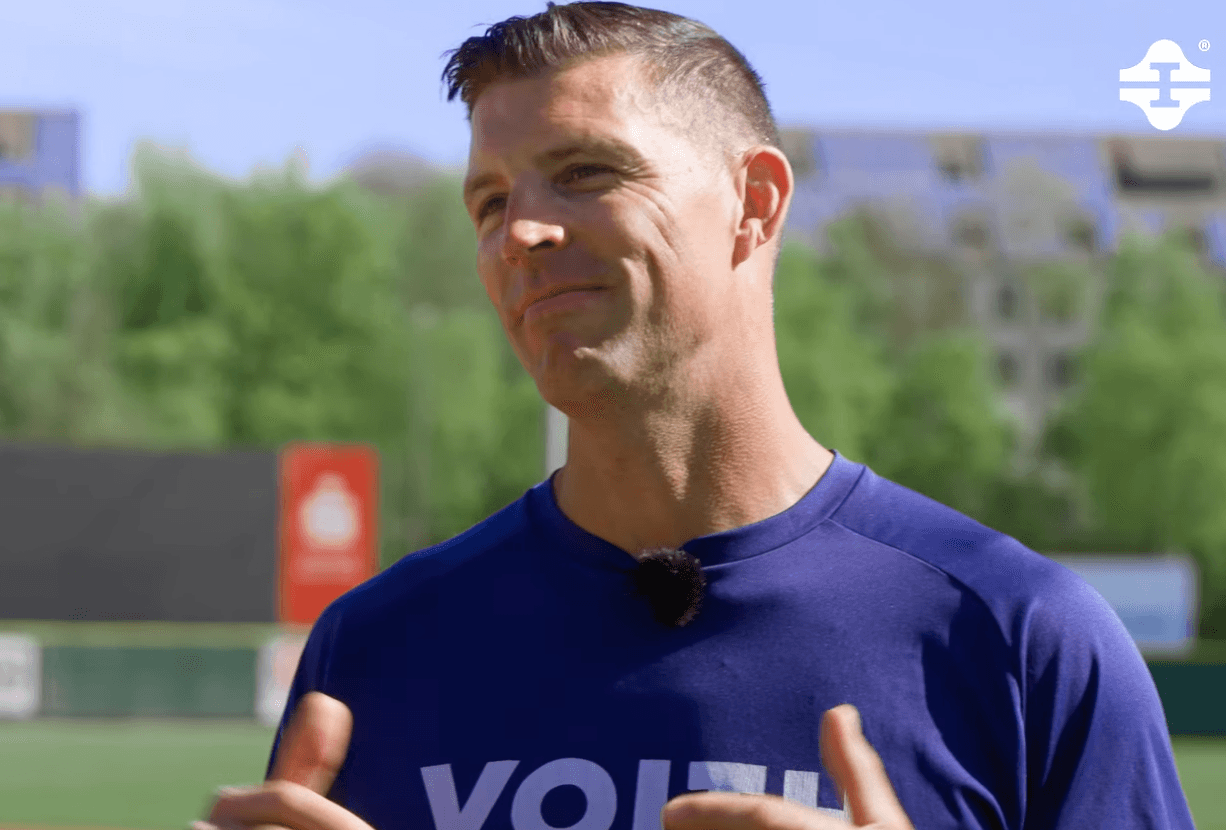
Regensburg, road game, late morning. Niko Backspin does not meet Simon Gühring in Heidenheim. He meets him in the opposing ballpark, on a day when the Heideköpfe are visiting the Guggenberger Legionäre. This must be his fiftieth or hundredth road game here, Backspin suggests, half joking. Gühring just laughs. He knows this place inside out, he admits. A beautiful ballpark, a place people like to play. Even as the visitors.
For the third episode of "THE WALK-UP", the location changes, and so does the theme. Fischer's story in Regensburg was about coming home from the farm system. Murphy's story in Hamburg was about the model who stayed by accident. Gühring's story is about something far rarer in sports: more than twenty years that simply refuse to end.
He now has eight German championships to his name, the most recent in 2025. Add to that the European Club Champions Cup title in the same year. He played for the national team for more than two decades, for long stretches as its captain. The bronze medal at the 2010 European Championship remains the most emotional moment of a career defined by continuity, where others are defined by change.
Experiences, Memories, Lifestyle
At ten or eleven, young Simon goes along with his father to a baseball field. From that moment on, Gühring says, the fascination was simply there. That was more than thirty years ago. At 43, he looks back on traces that are mostly physical, but even more on experiences and memories that stay with you for good.
How much the sport shapes his life, he describes in plain terms: family vacations, celebrations, weddings, everything is measured against the baseball calendar.
"It's a lifestyle."
Said without pathos, almost in passing. As if it were the most obvious statement in the world.
For Gühring, baseball is not a private passion that runs alongside his family. It is the family. When his daughter comes home from the hospital, the first trip is not to the house. The family pushes the stroller once around the bases before anything else begins.
Today his son Samuel plays baseball too, on the same Bundesliga team, on the same field as his father. Not as coach and pupil, but as teammates. "I actually get to stand on the field with my son."
This is the moment in the conversation when his voice grows warmer still. That, he says openly, has become the main reason he keeps playing at all. Every winter the same deliberation, maybe this is the last one, and every time the same argument wins out in the end: sharing the wins and the losses with his own son.
Small Market, Big Success
Even by German baseball standards, Heidenheim is no metropolis. Gühring knows it and makes no secret of it. What the club lacks in facilities and resources, he believes it makes up for with focus: setting the right priorities, investing consistently in player development, giving young players responsibility early.
"I think we make very good use of the resources we have."
Right now, he says, a whole wave of young players is coming up in Heidenheim, ready for the next step. For him, that is the real task of the coming years: keeping these players at the top level, developing them further, and keeping the club competitive against the big markets long after his own generation has left the field.
The Eternal Rival
Of all places, it is in Regensburg that the obvious question comes up: when will he call it a career? Backspin asks half in jest, half in earnest. Gühring laughs before he answers. He had already joked about it with a few Regensburg players the day before, he says. Their verdict was clear. Every fall the same calculation: maybe this is the last season, one more, then that's it. Then the offseason comes, and in the end the result is the same.
It is a running gag between rivals who have faced each other on the same field for decades. It is also a fairly precise description of what sets Gühring apart from most players of his generation: he simply stayed, year after year, decision after decision.
Cape Town, the Scout, the Chance
The story of how the amateur from Heidenheim nearly became a professional in the United States does not begin in America. It begins in Cape Town. In 2001, his first year with the Heideköpfe, Gühring is looking for somewhere to keep training over the winter and ends up in South Africa. There, a Milwaukee Brewers scout sees him play, follows him for a while, works out with him, and eventually makes him an offer. "You probably won't get a chance like that again."
Until then, the United States had felt far away, almost unimaginable. He accepted the offer, for the experience and to find out what he was capable of. Two years in the Arizona League followed before the road led back to Heidenheim, where he has stayed ever since.
More than twenty years on the national team have given Gühring a perspective few others in German baseball can match. To many German players, the man from Heidenheim is simply the Captain.
Thinking Bigger
Gühring's view of where the sport is heading is cautiously optimistic. The level is rising, he says, especially since the Deutsche Baseball Akademie began developing young talent systematically, with a quality of coaching and know-how that did not exist when he was young.
The real problem, as he sees it, lies elsewhere: in the competition for talent itself. "Why should a talented athlete play baseball instead of handball or soccer, where he could potentially make a living?"
His answer is pragmatic. Individual clubs have to become places where baseball itself is the event, not a footnote to someone's weekend.
"If we can create an event where people say: hey, on Friday night I'm going to the ballgame, no matter what else is going on, then we're where we should be." That takes backing from cities and sponsors, he says, but above all the courage to think of the sport as bigger than it has been thought of in Germany so far.
Asked what baseball means to the people who truly understand it, Gühring has an answer that could hardly be shorter: culture, existence, life itself. That is exactly what he tries to pass on, to the youth in Heidenheim, to the young players currently coming through the Deutsche Baseball Akademie, and above all to his own son.
On the field, he wants what every athlete wants: the next championship. This year it did not happen. Heidenheim went out in a dramatic five-game quarterfinal series, quite possibly also because Simon Gühring got hurt during the series. And they went out against Paderborn, of all teams. The Untouchables roster is full of young players who are learning their craft at the Deutsche Baseball Akademie as well.
Seen that way, it confirms Simon Gühring's plan. Because his real ambition now lies elsewhere. "I want to build something for the kids in Germany where they can live out this fire, where they can carry this passion forward."
Other careers in German baseball tell stories of moves, of continents, of fresh starts. Simon Gühring's story is one of constancy, of success, of a life lived for and with the sport. It is the story of the Captain.
Read on
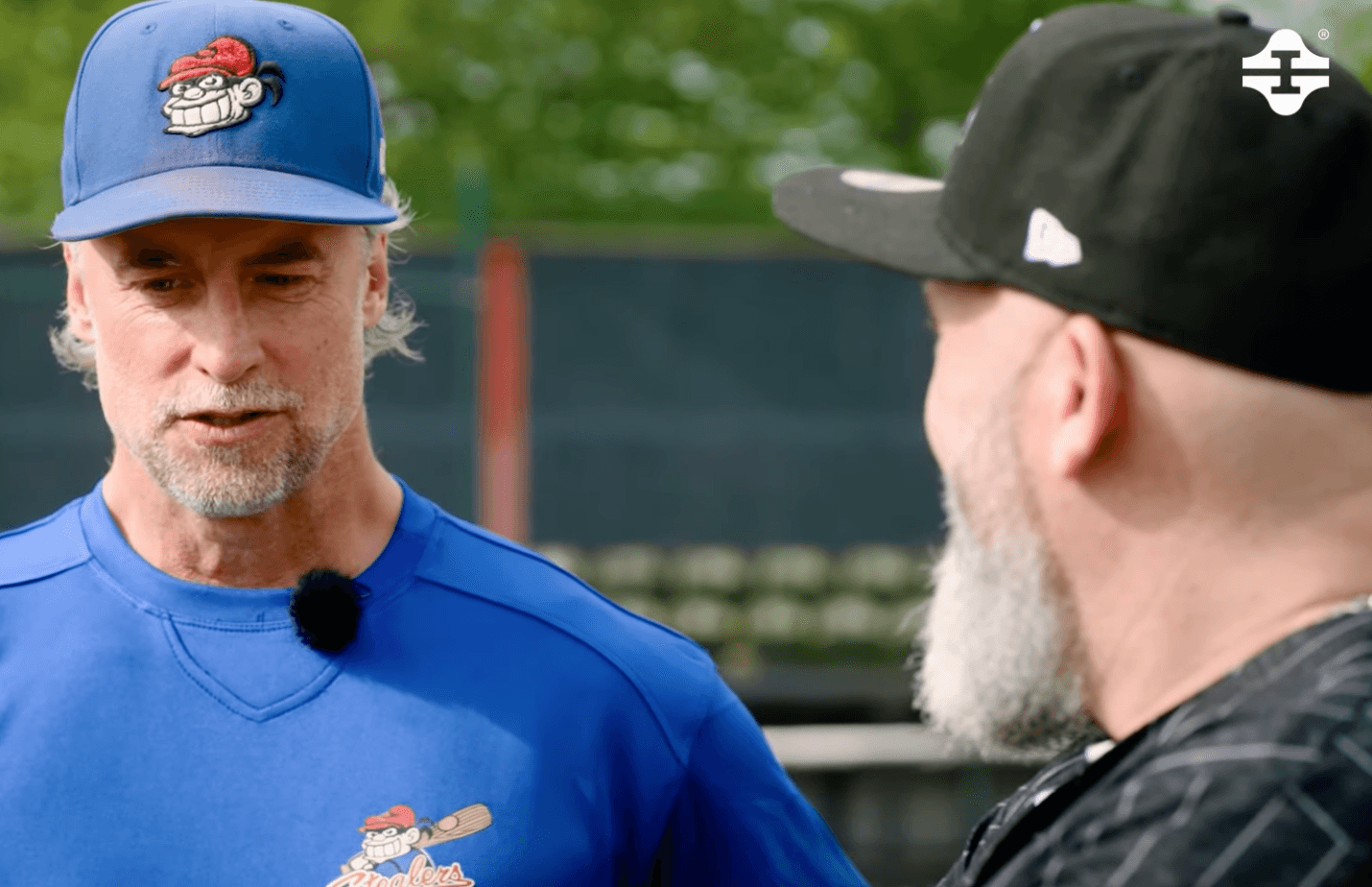
Brehan Murphy: Dugout, Runway, Second Nature
Twenty years ago they gave him a bicycle and a mattress on the floor. He stayed anyway. A conversation with Brehan Murphy, model and Hamburg Stealers legend. A conversation about baseball as a circle you join once and never leave.
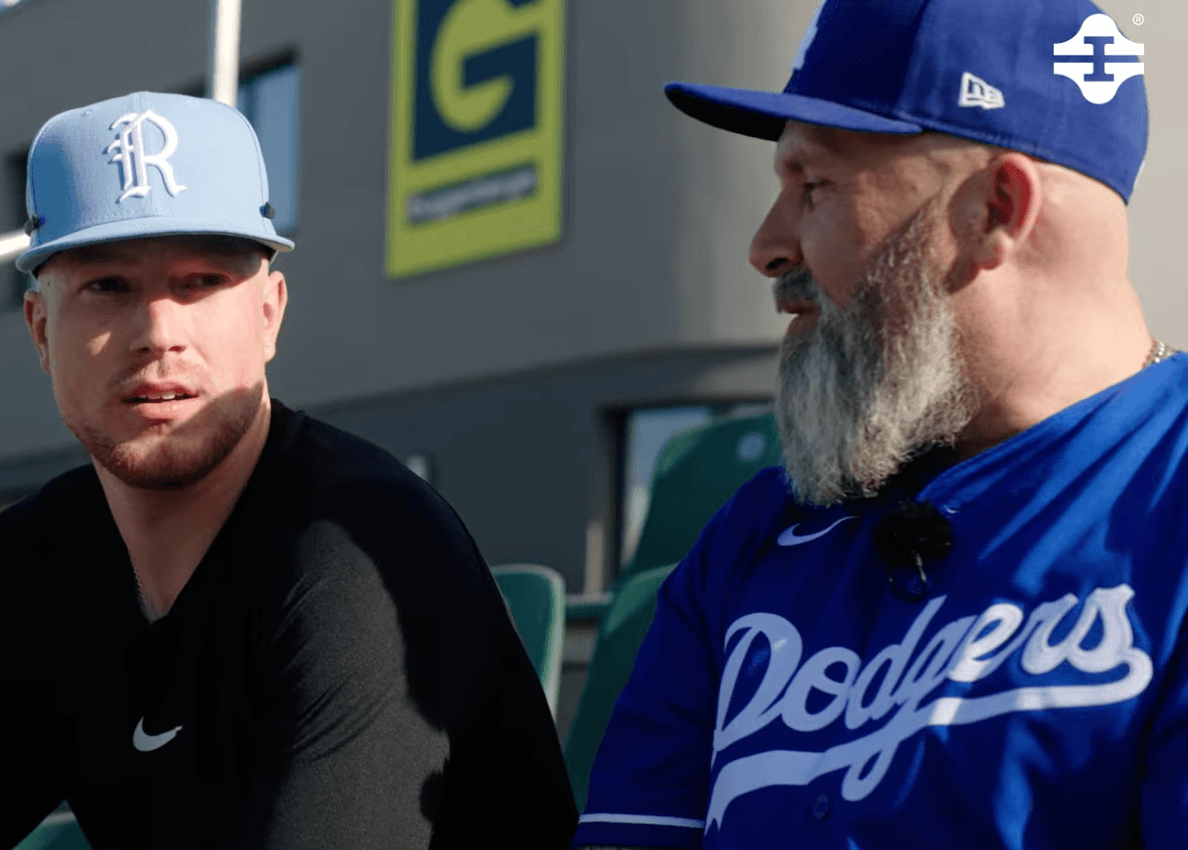
Tim Fischer: Far from done with MLB
He was with the physio when they called him in. Minutes later he knew he'd be on a plane that same day. A conversation with Tim Fischer, a pitcher from Regensburg, about games in the Caribbean and a machine that has no feelings. And about why someone whose dream was taken away keeps going anyway.