Shohei Ohtani: 10 Facts About the Los Angeles Dodgers' MLB Superstar
The Los Angeles Dodgers superstar has moved the limits of what seems possible in modern baseball. Ten facts about arguably the most extraordinary player in MLB history.

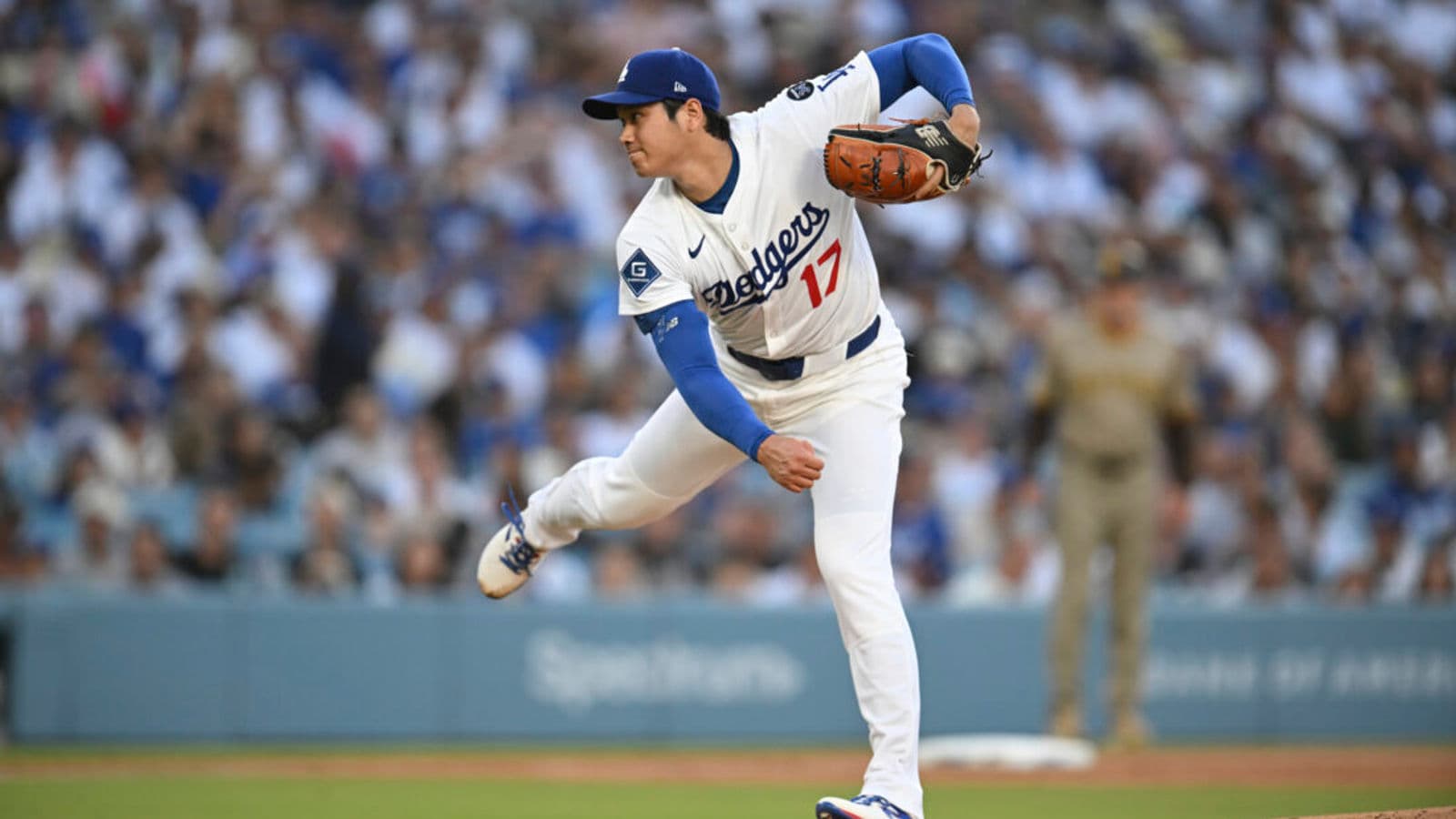
He pitches, hits, and makes record lines look imaginary. Yet the details that reveal the most about Shohei Ohtani include a high school in rural Japan, a carefully structured contract, corporate-league baseball, and a small gesture of respect before he steps into the box. Shohei Ohtani pitches. He hits. He creates records for combinations the record books never thought to track. Then, before his first plate appearance, he briefly tips his helmet toward the opposing dugout—a ritual rooted in a baseball education that began long before the rest of the world knew his name. The numbers explain part of Ohtani’s significance. The quieter details explain the rest.
His Numbers Still Look Like Typos
Fifty-four home runs. Fifty-nine stolen bases. One season. No player in the history of Major League Baseball had reached both 50 homers and 50 steals until Ohtani did it in 2024. He completed the feat with a game that bordered on statistical fiction: six hits, three home runs, 10 RBIs, and two stolen bases in a single September afternoon against the Miami Marlins. It was the first 50-50 season in MLB history, sealed by one of the most complete offensive performances the sport has seen. In 2025, he followed with 55 home runs, breaking his own Dodgers single-season record, while also returning to the mound and posting a 2.87 ERA across 14 appearances. The categories still struggle to contain him. His statistics are accurate. They simply do not always feel plausible.
He Helped Design His Own $700 Million Contract
Ten years. $700 million. At the time it was signed, Ohtani’s deal with the Los Angeles Dodgers was the largest announced player contract in professional sports. Juan Soto has since surpassed it in total value, but the number was never the most revealing part of Ohtani’s agreement. The structure was. Ohtani deferred $680 million—roughly 97 percent of the contract. He receives $2 million per season from 2024 through 2033, followed by annual payments of $68 million from 2034 through 2043. The arrangement was reportedly his idea, designed to preserve the Dodgers’ flexibility to build a championship roster around him. The mechanics of the deal are almost as unusual as the player himself. It is difficult not to see the influence of a baseball education built around collective success rather than individual display. Even the largest contract in the room was structured with the team in mind.
Pitching and Hitting at This Level Should Be Impossible
Since Babe Ruth’s early career, no player had sustained elite performance as both a pitcher and hitter over multiple Major League seasons. Modern baseball had effectively decided that the combination was no longer viable. The game had become too specialized, the workload too demanding, and the physical risk too high. Players were developed into increasingly narrow roles. Ohtani ignored the premise. In 2022, he became the first player in MLB history to record 10 pitching wins and 30 home runs in the same season. Then he did it again in 2023. No existing player category adequately describes that combination. Calling Ohtani a two-way player is technically correct. It also sounds strangely insufficient.
The Helmet Tip Matters
At the start of his first plate appearance, Ohtani briefly acknowledges the opposing dugout with a tip of his helmet. It lasts barely a second and can easily disappear inside the noise of a Major League game. Director Jason Sterman has cited the gesture as one of the details that drew him toward Homecoming: The Tokyo Series, his documentary about Japanese baseball culture. The movement felt subtly different from the way most MLB players entered the batter’s box: not theatrical, simply deliberate. It reflects a culture in which respect for the opponent is not decorative etiquette but part of the game’s underlying structure. Ohtani does not arrive at home plate as though the moment belongs to him alone. He acknowledges the people across the field, then turns toward the pitcher. For a player whose presence can overwhelm an entire ballpark, it is a remarkably small way to begin.
Hanamaki Higashi Shaped the Player He Became
Ohtani attended Hanamaki Higashi High School in Iwate Prefecture, far from the most obvious destination for a teenager with global ambitions. It turned out to be precisely the right place. His coach, Hiroshi Sasaki, resisted the temptation to overuse Ohtani’s arm while his body was still developing. When Ohtani entered the school, he weighed roughly 63 kilograms—about 139 pounds—and looked more like a frame waiting to be filled out than a future power pitcher. Sasaki nevertheless believed he could eventually throw 160 kilometers per hour, just under 100 mph. Ohtani reached that mark as a high school player. His athletic ability extended beyond the diamond. The school’s swimming coach reportedly believed he had the potential to reach Olympic level in the pool. Ohtani chose baseball, but the detail offers another glimpse of the physical intelligence behind his game: balance, coordination, control, and an unusual awareness of how his body moves through space.
He Originally Planned to Go Straight to MLB
After high school, Ohtani intended to bypass Japanese professional baseball and begin his career in the United States. The Hokkaido Nippon-Ham Fighters selected him in the 2012 NPB Draft anyway. Their argument was not simply that he should stay in Japan. They offered him something professional baseball on either side of the Pacific was reluctant to consider: the chance to develop simultaneously as a pitcher and position player. Ohtani stayed for five seasons. That decision gave him the environment to turn an unusual ambition into a sustainable professional role. When he joined the Los Angeles Angels in 2018, he did not arrive as a speculative athlete searching for a position. He arrived with an already established idea of what a baseball player could be. The Fighters did not ask him to choose. That may have changed the sport.
The 2023 WBC Final Produced Baseball’s Perfect Matchup
Baseball rarely arranges its symbols this neatly. Japan led the United States in the final of the 2023 World Baseball Classic. Ohtani stood on the mound with two outs in the ninth inning. At the plate was Mike Trout, his Angels teammate and one of the defining hitters of his generation. Ohtani struck him out. The final out secured the championship for Japan and completed Ohtani’s WBC MVP performance. It was not merely a meeting between two superstars. It was a confrontation between teammates, baseball nations, and two different forms of greatness—compressed into a single plate appearance. Ohtani had spent years insisting that one player could occupy multiple roles. In Miami, he closed the world championship as a pitcher after helping carry Japan there as a hitter. The tournament’s defining image was also the clearest possible expression of his career.
His Father Played Industrial-League Baseball
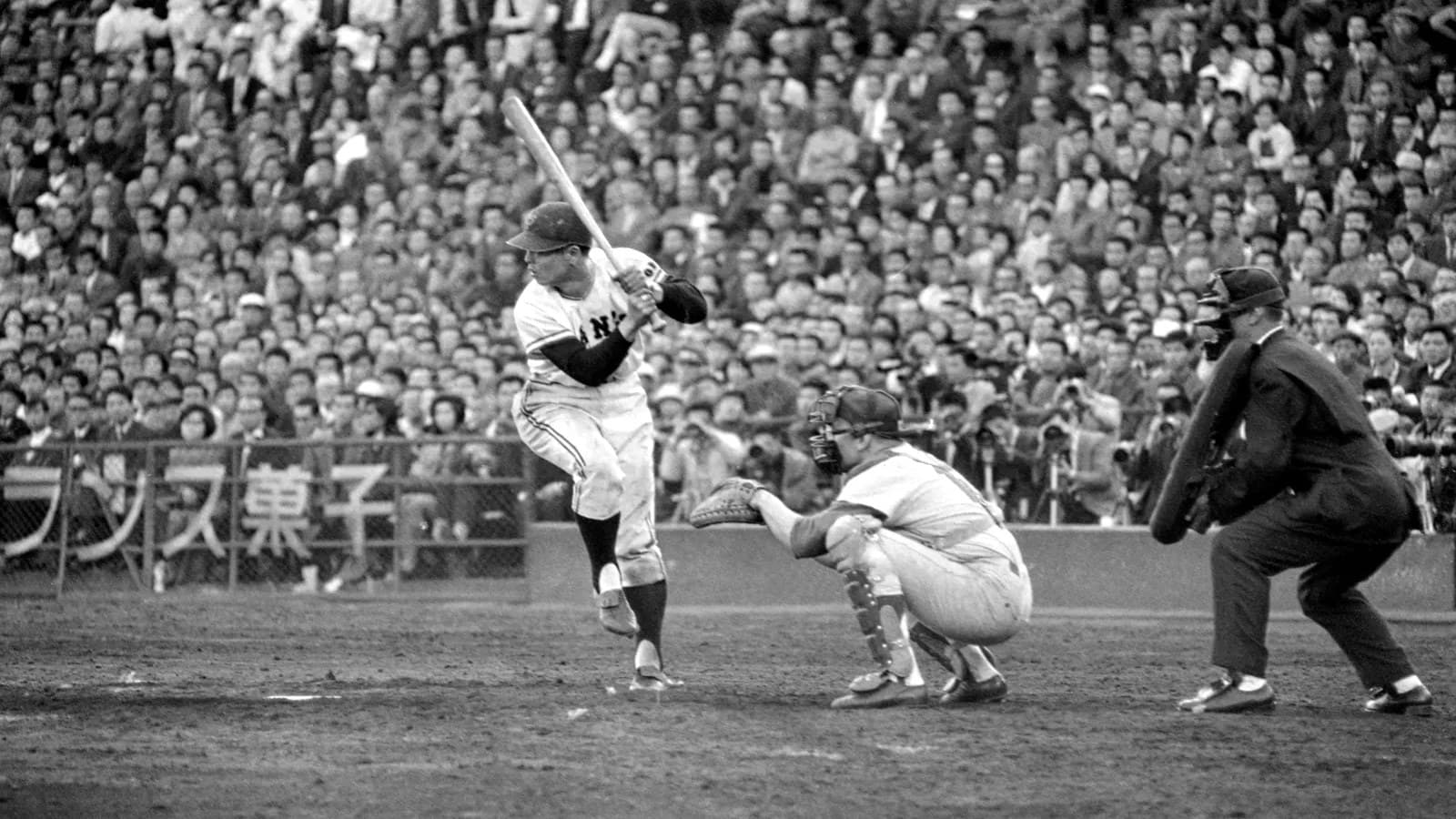
Ohtani’s father, Toru, played as an outfielder in Japan’s industrial baseball system before working full-time in the automotive industry. His mother, Kayoko, was a competitive badminton player. Japan’s industrial leagues occupy a distinctive place in the country’s baseball culture. The teams are supported by companies and traditionally feature players who are also connected to the workplace. They exist outside Nippon Professional Baseball but remain part of the game’s deep everyday infrastructure. Ohtani grew up admiring the Yomiuri Giants and their star outfielder Hideki Matsui. His was not a baseball household built around an inevitable professional career. The game moved through the family in a quieter way: catch in the park, a father coaching his son, baseball as routine before it became destiny.
His Commercial Impact Was Immediate
The claim that the Dodgers recovered the entire value of Ohtani’s contract in his first season makes for a compelling headline, but the publicly available numbers tell a more measured—and still extraordinary—story. In 2024, Ohtani was credited with generating an estimated $70 million in additional sponsorship revenue for the Dodgers. The organization added a wave of Japanese partners while also seeing increased demand for tickets, merchandise, stadium tours, and international media access. His influence exceeded even the club’s own projections. The impact is visible in both directions. Japanese fans travel to Los Angeles to see him at Dodger Stadium. The Dodgers’ presence in Japan has expanded from sports coverage into advertising, retail, tourism, and everyday visual culture. Ohtani does not merely play for a globally recognized franchise. He has changed the geography of its audience.
He Represents a New Chapter in a Much Older Exchange
Former MLB player and Yomiuri Giants star Warren Cromartie has described Ohtani as someone who has “opened the doors of communication.” Baseball’s relationship between Japan and the United States stretches back roughly 150 years. It has never been a simple story of one country exporting its game to another. Japan absorbed baseball, reshaped it through its own institutions and values, and developed a culture with its own rituals, aesthetics, and histories. Players have carried those influences back and forth across the Pacific ever since. Masanori Murakami became the first Japanese player in the Major Leagues in 1964. His arrival opened a door that remained largely closed for three decades before Hideo Nomo’s landmark Dodgers debut in 1995. Murakami’s story marked the beginning of a complicated transpacific baseball history. Ohtani has pushed that door off its hinges. He brings elements of Japanese baseball culture into the center of Major League Baseball while giving Japan a global stage that no marketing campaign could manufacture. His influence can be measured in home runs, strikeouts, sponsorships, jersey sales, and television audiences. But it is also present in something quieter. Before his first plate appearance, the most singular player in baseball briefly tips his helmet toward the other dugout. Then he goes to work.